
Mobile App Development
Native apps: Built specifically for a particular operating system (like iOS for iPhones or Android for most other phones). They offer the best performance and access to device features.
Web apps: Essentially websites packaged to look and feel like native apps. They run within a web browser on the device.
Mobile applications:
Native apps: Built specifically for a particular operating system (like iOS for iPhones or Android for most other phones). They offer the best performance and access to device features.
Web apps: Essentially websites packaged to look and feel like native apps. They run within a web browser on the device.
Key features:
User interface (UI) and user experience (UX): Designed for easy navigation and interaction on small screens.
Mobile-first approach: Prioritizing the mobile experience over desktop versions.
Offline functionality: Many apps can work without an internet connection.
Push notifications: Allow apps to send alerts or messages to users even when the app isn't open.
Impact: Mobile apps have revolutionized how we live, work, and play. They've made information and services more accessible, connected us with people around the world, and transformed industries like entertainment, commerce, and healthcare. A blend of native and web apps, built using web technologies but packaged like a native app. Development
Android:
Languages: Java, Kotlin
Tools: Android Studio (official IDE), Eclipse, IntelliJ IDEA
Fragmentation: Wider range of devices and screen sizes can lead to compatibility issues.
iOS:
Languages: Swift, Objective-C
Tools: Xcode (official IDE)
Consistency: More consistent hardware and software across devices.
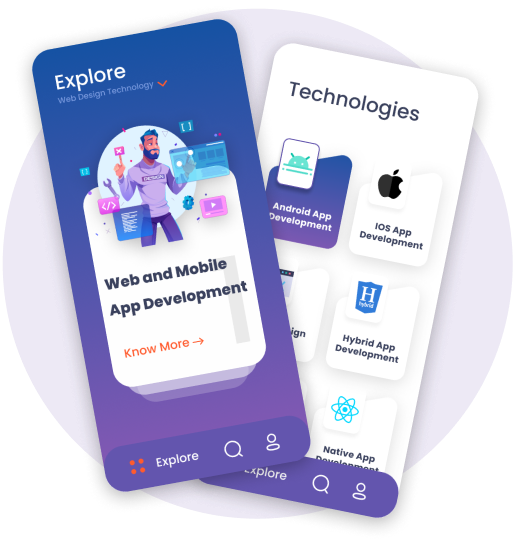
Technologies We Use for Mobile App Development